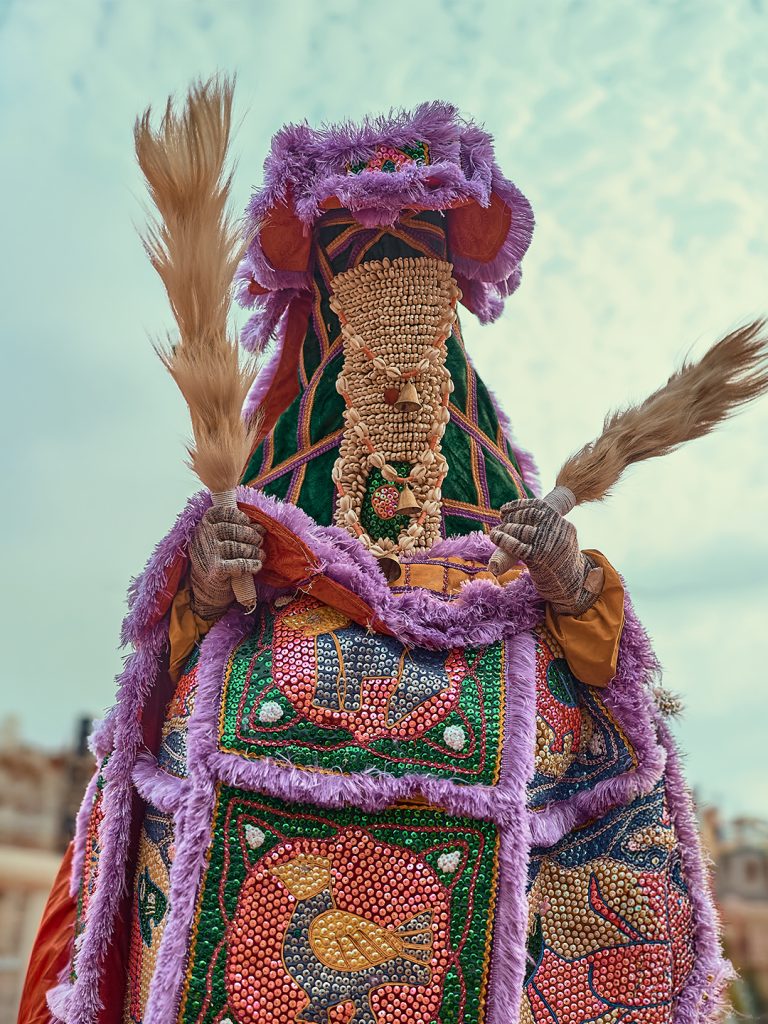
Egungun
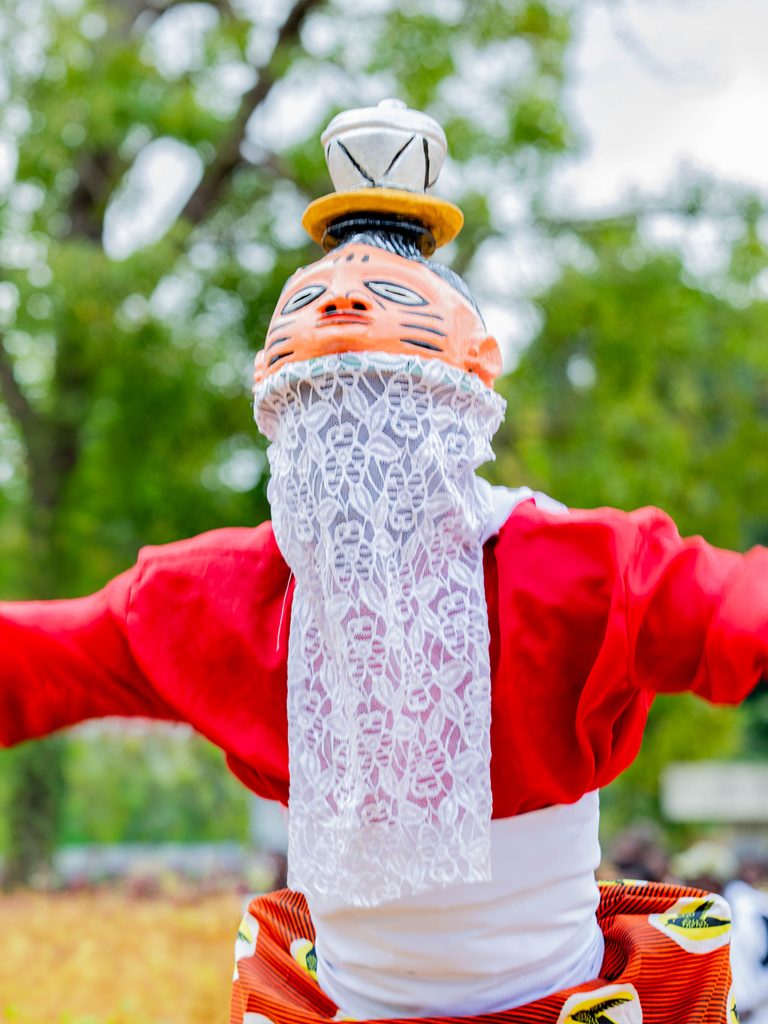
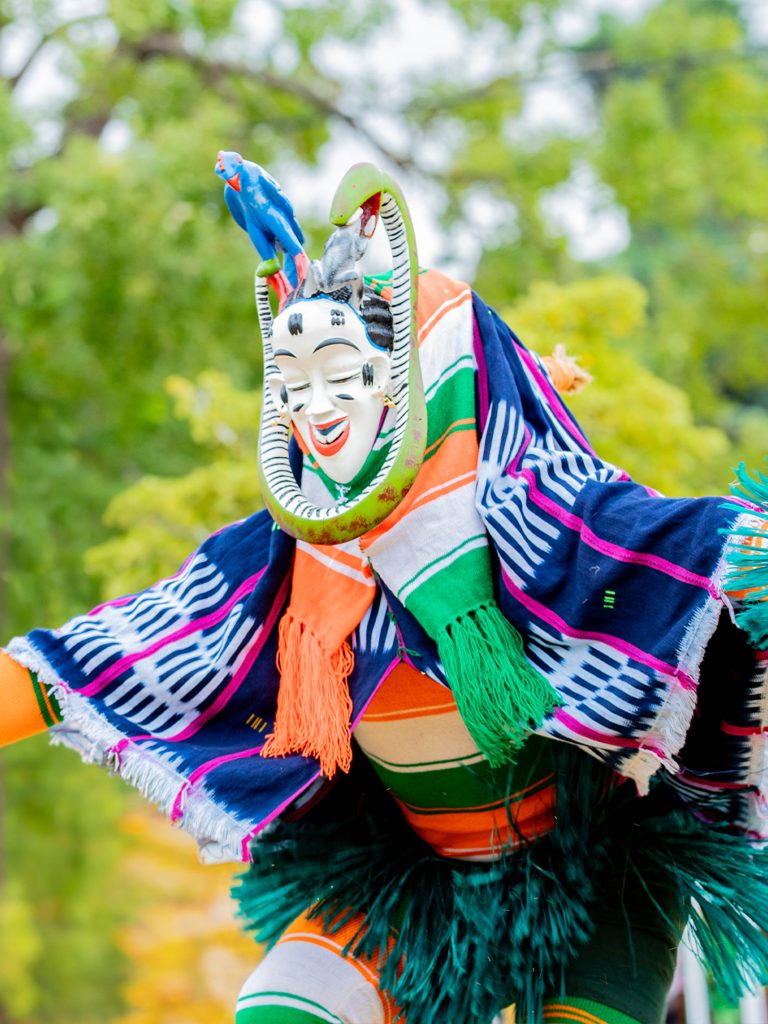
The term “Egun” comes from Kaaro (Yoruba) and means “bone, skeleton”, that is to say, “one who has died and returns”. “Egungun” is therefore the reduplication of “Egun”. Egungun is, first and foremost, an institution within certain families of the Adja-Tado area, where, upon the passing of an individual who has led a good life, family members decide to immortalise them. This is a form of beatification which both follows and establishes the process of becoming an ancestor — as is generally the custom among Gbe families — and the worship of ancestors. Essentially, the Egungun cult and the…
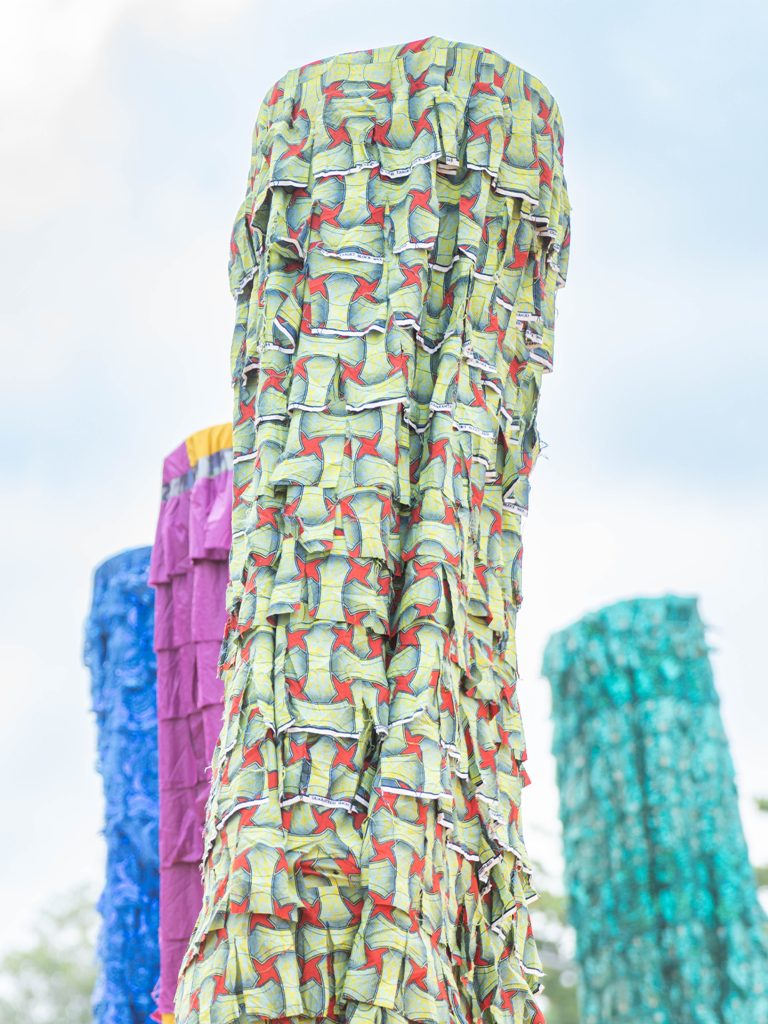
The term “Egun” comes from Kaaro (Yoruba) and means “bone, skeleton”, that is to say, “one who has died and returns”. “Egungun” is therefore the reduplication of “Egun”. Egungun is, first and foremost, an institution within certain families of the Adja-Tado area, where, upon the passing of an individual who has led a good life, family members decide to immortalise them. This is a form of beatification which both follows and establishes the process of becoming an ancestor — as is generally the custom among Gbe families — and the worship of ancestors. Essentially, the Egungun cult and the worship of ancestors constitute a single religious reality in the Adja-Tado area, a practice that continues to teach us that humanity’s first religion is unquestionably the worship of ancestors, which is not without echoes of the scene of the weighing of the heart in the Egyptian conception of the immortality of the dead.
However, there is a difference not only in substance but, above all, in form between the Egungun cult and the cult of the ancestors within the Gbe dialect continuum. For whilst both forms of worship depict the spiritual return of the dead amongst the living, Egungun is not merely a physical return — that is to say, a materialisation of the spirit of the deceased, which is why it is masked — but, above all, this mask gives rise to both veneration and spectacle.